In This Article
If you're reading this, chances are anxiety is affecting your daily life — and you're looking for a natural, accessible way to manage it. You're not alone. According to the World Health Organisation, over 300 million people worldwide suffer from anxiety disorders.
The good news? Meditation has been scientifically proven to reduce anxiety. Even as little as 10 minutes a day can make a measurable difference. In this guide, we'll walk you through exactly how to use meditation for anxiety relief, which techniques work best, and which apps can help you get started today.
What Is Meditation for Anxiety?
Meditation for anxiety involves using specific mindfulness techniques to calm your nervous system, reduce racing thoughts, and bring your attention to the present moment. Unlike general meditation, anxiety-focused practices specifically target the thought patterns and physical symptoms associated with anxiety.
The most effective types of meditation for anxiety include:
- Mindfulness meditation — observing thoughts without judgement
- Body scan meditation — releasing physical tension systematically
- Loving-kindness meditation — reducing self-criticism and worry
- Breath-focused meditation — activating the parasympathetic nervous system
- Guided meditation — following a teacher's instructions via an app
Looking for Professional Support Beyond Meditation?
Meditation is a great self-help practice, but if anxiety is disrupting your daily life, combining mindfulness with CBT therapy is proven to be most effective. Online-Therapy.com provides a personal therapist, daily worksheets, and CBT audio guides from $48/week (get 20% off your first month).
Explore Online Therapy (20% Off) →Affiliate link — we earn a commission at no extra cost to you
Featured Mindful.org Official Online Courses & Training
Deepen your daily mindfulness and meditation practice with certified online courses led by world-renowned teachers at Mindful.org:


Official Mindful.org Partner · Self-Paced Online Training
Try Our Free Bedtime Sleep Body Scan & Soundscape
Relax from head to toe with gentle warming body scan prompts and ambient rain soundscapes. Runs 100% privately in your browser with zero sign-up.
Open Bedtime Sleep Body Scan & Soundscape →The Science Behind It
Research consistently shows that meditation reduces anxiety by changing how your brain responds to stress.[1] A meta-analysis published in JAMA Internal Medicine found that mindfulness meditation programmes showed moderate evidence of reducing anxiety.
Here's what happens in your brain when you meditate regularly:
- Your amygdala (the brain's fear centre) becomes less reactive to perceived threats
- Your prefrontal cortex strengthens, improving emotional regulation
- Cortisol levels decrease, reducing the physical symptoms of stress
- Grey matter density increases in areas associated with self-awareness and compassion
"Mindfulness meditation can reduce stress markers by an average of 38% among participants, with the most significant improvements observed in those practising daily for at least 15 minutes."
5 Best Meditation Techniques for Anxiety
1. Box Breathing (4-4-4-4)
The simplest technique to start with. Breathe in for 4 counts, hold for 4, exhale for 4, hold for 4. Repeat for 5 minutes. This activates your vagus nerve and signals safety to your nervous system. Navy SEALs use this technique to stay calm under pressure.
2. Body Scan Meditation
Lie down and systematically bring attention to each part of your body, from toes to head. Notice where you're holding tension and consciously release it. This is particularly effective for anxiety that manifests as physical tension — tight shoulders, clenched jaw, or a racing heart.
3. Mindful Observation
Choose an object and focus your entire attention on it for 5 minutes. Notice its colour, texture, shape, and weight. When your mind wanders (it will!), gently bring it back. This trains your brain to stay present instead of spiralling into anxious "what if" thoughts.
4. Loving-Kindness Meditation
Repeat phrases like "May I be peaceful, may I be safe, may I be free from suffering" — first directed at yourself, then expanding to loved ones and eventually all beings. Research shows this reduces self-critical thoughts that often fuel anxiety.
5. Guided Meditation via Apps
If sitting in silence feels overwhelming, guided meditations are perfect. A teacher walks you through each step, making it much easier for beginners. We recommend starting with apps like Headspace or Calm, which have specific anxiety programmes.
Looking for Professional Support Beyond Self-Help Meditation?
Meditation is a great self-help practice, but if anxiety is disrupting your daily life, combining mindfulness with professional CBT therapy is proven to be most effective. Online-Therapy.com provides a personal licensed therapist, daily CBT worksheets, guided audio tools, and yoga sessions from $48/week (20% off first month).
Explore Online Therapy (20% Off) →Affiliate link — we earn a commission at no extra cost to you
How to Get Started (Step by Step)
- Start with just 5 minutes a day — consistency matters more than duration
- Choose a quiet space — you don't need a special room, just somewhere you won't be interrupted
- Pick one technique — don't try to master everything at once. We recommend starting with box breathing
- Use an app — guided meditation removes the guesswork. See our app recommendations below
- Be patient — research shows benefits begin after just 3-4 sessions, but significant changes take 8+ weeks
- Add yoga — combining meditation with yoga for anxiety can double the benefits
Best Apps & Programs for Anxiety
Based on our testing of 40+ apps, here are the top options specifically for anxiety:
| Program / App | Anxiety Features | Price | |
|---|---|---|---|
| Online-Therapy.com | Licensed therapist + CBT worksheets & meditation | From $48/wk (20% off) | Get 20% Off → |
| Headspace | Dedicated anxiety course, SOS sessions | $69.99/yr | Read Review → |
| Insight Timer | 200,000+ free meditations, anxiety filter | Free | Read Review → |
For a complete breakdown, read our Best Meditation Apps 2026 guide.
Combining Yoga with Meditation
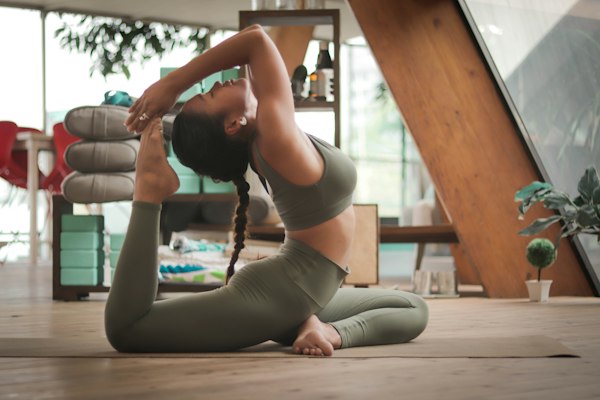
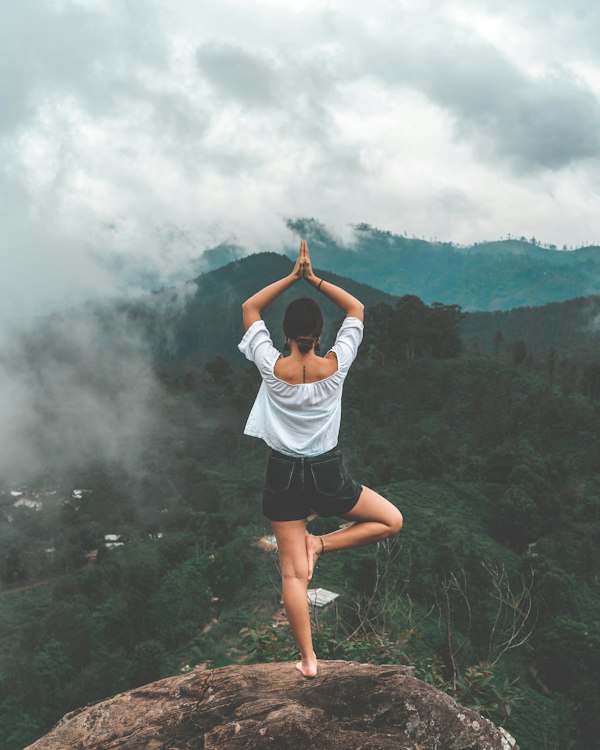
Research shows that combining meditation with yoga can be significantly more effective for anxiety than either practice alone. Yoga addresses the physical symptoms of anxiety (muscle tension, shallow breathing) whilst meditation addresses the mental patterns (racing thoughts, worry).
We recommend starting with gentle, restorative yoga styles:
- Yin yoga — slow, deep stretches held for 3-5 minutes
- Restorative yoga — supported poses using props for deep relaxation
- Yoga nidra — a guided "yogic sleep" practice (read our yoga nidra guide)
Read our full guide: Yoga for Anxiety: 10 Poses That Calm Your Mind
Looking for Yoga & CBT Therapy Combined?
Yogic movement calms physical anxiety, but combining somatic movement with professional cognitive behavioral therapy (CBT) provides long-term emotional recovery. Online-Therapy.com pairs you with a personal licensed therapist, guided video yoga & meditation sessions, CBT worksheets, and daily support from $48/week (20% off first month).
Explore Online Therapy + Yoga (20% Off) →Affiliate link — we earn a commission at no extra cost to you
Take Our Free Anxiety & Wellness Self-Assessment
Check your stress levels and get matched to the right relaxation exercises for your mood.
Start Free Assessment →Frequently Asked Questions
How long does meditation take to reduce anxiety?
Most people notice subtle improvements within 1-2 weeks of daily practice. Research shows significant anxiety reduction after 8 weeks of consistent meditation (10-15 minutes daily).
Can meditation replace therapy for anxiety?
Meditation is a powerful complement to therapy but shouldn't replace professional help for clinical anxiety disorders. If your anxiety significantly impacts your daily life, consider online therapy alongside meditation.
What's the best time to meditate for anxiety?
Morning meditation helps set a calm tone for the day. However, the best time is whenever you'll actually do it consistently. Some people prefer before bed to calm racing thoughts.
Is meditation better than medication for anxiety?
This depends on the severity of your anxiety. Meditation works well for mild to moderate anxiety and can be used alongside medication. Always consult your doctor before making changes to medication.
Related Articles
Sources & References
- [1] NHS — Cognitive Behavioural Therapy (CBT) Treatment Guidelines
- [2] Springer / PubMed — Remission in CBT for Adult Anxiety Disorders: Systematic Meta-Analysis
- [3] NIMH (National Institute of Mental Health) — Anxiety & Psychotherapy Clinical Overview
For general information only, not a substitute for professional medical care. In a crisis or severe symptom onset, consult a qualified healthcare provider immediately.