In This Article
You've heard meditation is good for you. You've probably tried it once or twice, sat in silence, felt frustrated, and given up. That's completely normal — and you're not doing it wrong.
The truth is that meditation is a skill, and like any skill, it requires the right approach and realistic expectations. This guide will give you both, so you can start a practice that actually sticks.
What Is Meditation, Really?
Meditation isn't about stopping your thoughts. This is the biggest misconception that causes beginners to quit. Meditation is about noticing your thoughts without getting swept up in them — learning to observe your mind rather than being controlled by it.
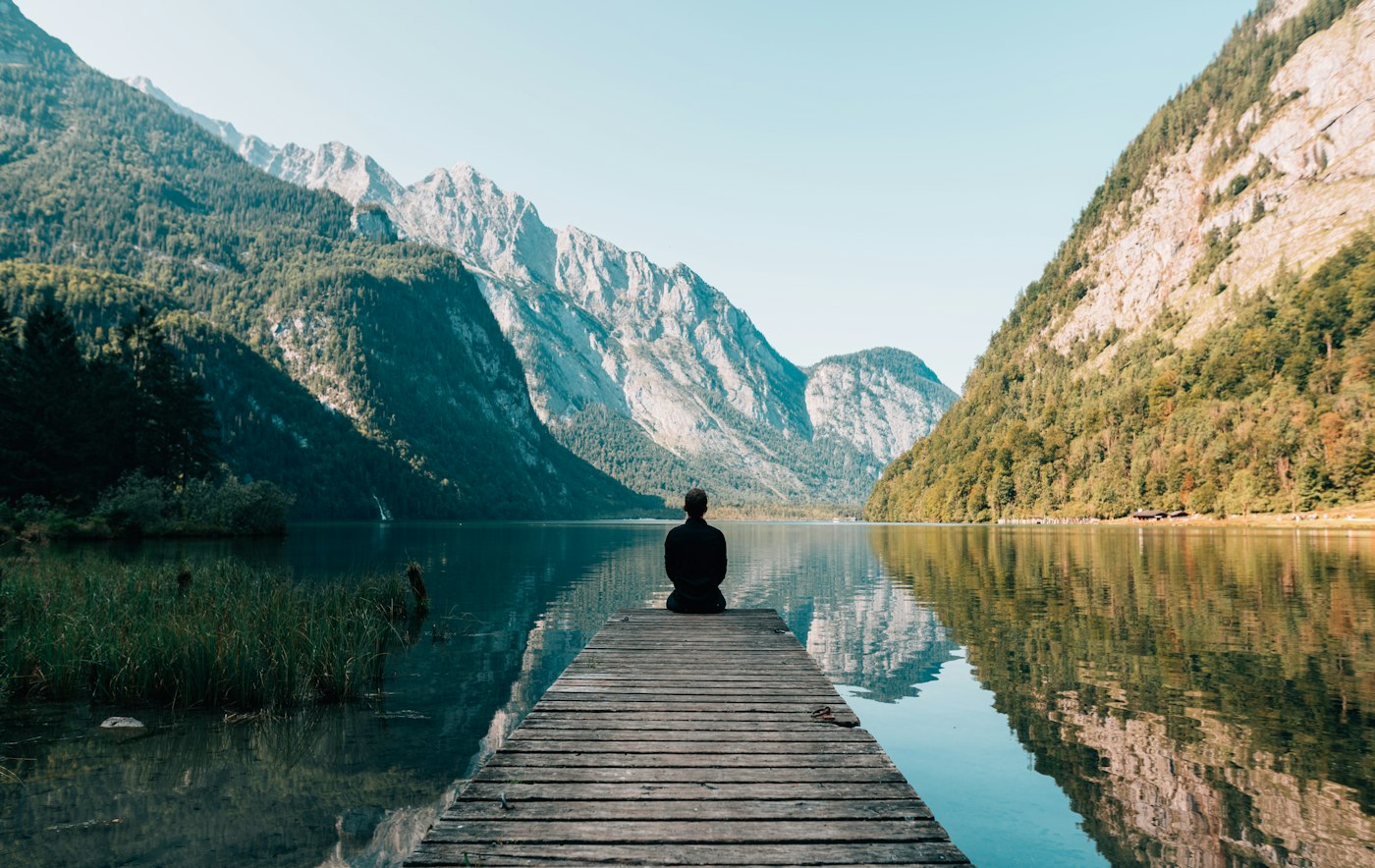
Think of it like sitting by a river, watching boats pass. You don't try to stop the boats (thoughts). You just watch them go by without jumping on board. Some days the river is calm, some days it's full of traffic. Both are fine. The practice is in the watching.
Research from Harvard shows that meditation literally changes your brain structure — thickening the prefrontal cortex (decision-making), shrinking the amygdala (fear response), and strengthening connections between brain regions.[1] Benefits appear after just 8 weeks of regular practice.
Featured Mindful.org Official Online Courses & Training
Deepen your daily mindfulness and meditation practice with certified online courses led by world-renowned teachers at Mindful.org:


Official Mindful.org Partner · Self-Paced Online Training
Try Our Free Sleep Routine Builder
Build a custom bedtime wind-down routine tailored to your available time (5 to 30 mins). Runs 100% privately in your browser with zero sign-up.
Open Sleep Routine Builder →Types of Meditation (And Which to Start With)
There are many types of meditation, but beginners only need to know four:
- Mindfulness meditation — focus on your breath, notice when your mind wanders, gently bring attention back. This is the default "beginner" style and the one with the most scientific research behind it. Start here.
- Body scan — systematically scan your attention through your body. Excellent for physical tension and sleep.
- Guided meditation — a teacher talks you through the practice via an app. The easiest way to start because someone else does the thinking for you. Best for absolute beginners.
- Loving-kindness — silently repeat phrases of goodwill toward yourself and others. Great for self-criticism and anxiety.
Our recommendation: Start with guided mindfulness meditation via an app. Once you're comfortable (usually after 2-4 weeks), experiment with other types.
How to Start: 5 Simple Steps
Step 1: Choose Your Time
Morning works best for most people — your mind is freshest, and it sets a calm tone for the day. But any consistent time works. The key word is consistent. Same time, same place, every day.
Step 2: Start Ridiculously Small
Five minutes. That's it. Not 20, not 10 — five. You can always do more, but starting small eliminates the excuse of "I don't have time" and makes the habit nearly impossible to fail. After 2 weeks, increase to 10 minutes.
Step 3: Get Comfortable
Sit in a chair with your feet flat on the floor, or cross-legged on a cushion. Keep your back straight but not rigid. Hands on your thighs or in your lap. Close your eyes or soften your gaze downward. You don't need special clothes, incense, or a meditation room.
Step 4: Follow a Guide
Download a meditation app and complete the beginner course. We recommend Headspace's "Basics" course — it's the best-structured beginner programme available. Alternatively, Insight Timer offers thousands of free guided sessions.
Step 5: Be Kind to Your Wandering Mind
Your mind will wander. Every single session. This is not failure — it IS the practice. Each time you notice your mind has wandered and bring attention back, you're doing one "rep" of meditation. More wandering = more reps = more benefit.
Best Beginner App: Headspace
The 'Basics' course is the best-structured beginner meditation programme available. Progressive, friendly, and genuinely effective.
Try Headspace Free for 14 Days →Affiliate link — we earn a commission at no extra cost to you
5 Common Beginner Mistakes
- Trying to stop thoughts — meditation isn't about an empty mind. It's about a different relationship with your thoughts.
- Starting too long — 20-minute sessions for beginners create frustration and dropout. Start with 5 minutes.
- Expecting instant results — some benefits are immediate (calm after a session), but the deeper changes take 4-8 weeks.
- Judging your practice — there are no "bad" meditation sessions. A distracted session where you keep redirecting attention is actually excellent training.
- Skipping days and quitting — consistency matters more than duration. Five minutes daily beats 30 minutes twice a week.
Best Apps for Beginners
| App | Why It's Good for Beginners | Price | |
|---|---|---|---|
| Headspace | Best structured courses, animated explanations | $69.99/yr | Try Free → |
| Calm | Daily Calm keeps you consistent, great sleep content | $69.99/yr | Try Free → |
| Insight Timer | 200,000+ free meditations, no commitment needed | Free | Try Free → |
For a detailed breakdown: Best Meditation Apps 2026 | Calm vs Headspace
Adding Yoga to Your Practice
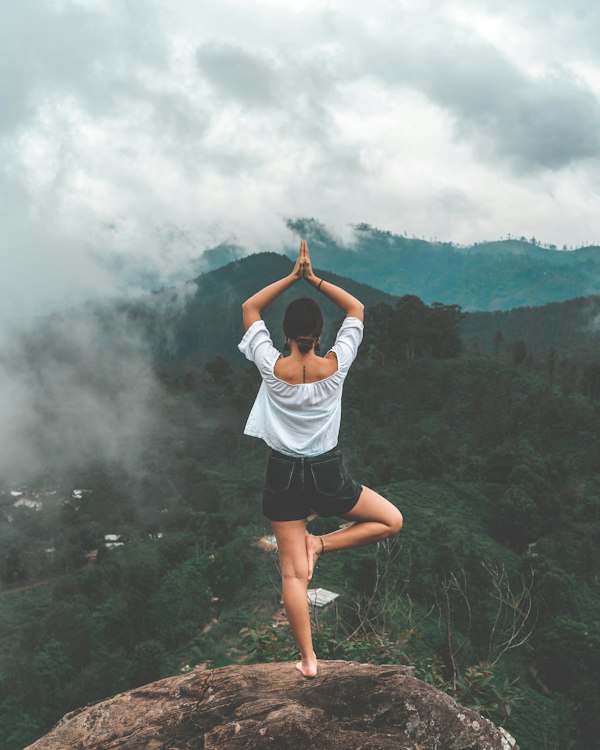
Once you're comfortable with seated meditation (usually after 2-4 weeks), consider adding gentle yoga. Yoga and meditation are complementary practices — yoga addresses the body, meditation addresses the mind. Together, they're more effective than either alone.
Start with: Yoga for Anxiety: 10 Calming Poses — all beginner-friendly, no experience needed.
Take Our Free Anxiety & Wellness Self-Assessment
Check your stress levels and get matched to the right relaxation exercises for your mood.
Start Free Assessment →FAQs
How long before I feel benefits?
Most people notice increased calm after their very first session. Measurable changes in anxiety and stress levels typically appear after 1-2 weeks of daily practice. Brain structure changes occur after 8 weeks.
Can I meditate lying down?
For daytime practice, sitting is better — it keeps you alert. For bedtime, lying down is fine (and recommended for yoga nidra). If you fall asleep sitting up, you might be sleep-deprived rather than meditating well.
Is meditation religious?
Meditation has roots in Buddhist and Hindu traditions, but modern mindfulness meditation is entirely secular. The apps we recommend are all science-based and non-religious.
Related Articles

Sources & References
- [1] Journal of Medical Internet Research (JMIR) — Efficacy of Digital Health & Online CBT Interventions
- [2] APA (American Psychological Association) — Telehealth & Mobile Mental Health App Efficacy Guidelines
- [3] NIMH — Technology and the Future of Mental Health Treatment
For general information only, not a substitute for professional medical care. In a crisis or severe symptom onset, consult a qualified healthcare provider immediately.