
In This Article
A panic attack feels like dying. Your heart races, your chest tightens, you can't breathe, the room spins, and every cell in your body screams that something is terribly wrong. In that moment, being told to "just breathe" feels absurd.
But here's what research consistently shows: specific meditation and breathing techniques can reduce panic attack intensity by up to 50% and, with regular practice, reduce their frequency significantly.[1] This guide covers both in-the-moment relief and long-term prevention strategies.
Understanding Panic Attacks
A panic attack is your body's fight-or-flight response firing without a real threat. Your amygdala (the brain's alarm system) sends a false danger signal, flooding your body with adrenaline and cortisol. The physical symptoms — racing heart, shortness of breath, dizziness, tingling — are your body preparing to fight or flee from a threat that doesn't exist.
Understanding this is crucial: panic attacks are uncomfortable but not dangerous. Your body is doing exactly what it's designed to do — just at the wrong time. No one has ever died from a panic attack. Knowing this won't stop them, but it can reduce the secondary fear ("I'm having a heart attack") that makes them worse.
Panic attacks typically peak within 10 minutes and rarely last longer than 30 minutes. The techniques below can shorten this window significantly.
Looking for Professional Support Beyond Self-Help?
Self-help tools and guides are great for daily calm, but combining mindfulness with professional CBT therapy is proven to provide long-term anxiety and stress relief. Online-Therapy.com pairs you with a personal licensed therapist, daily worksheets, audio guides, and journaling tools from $48/week (20% off first month).
Explore Online Therapy (20% Off) →Affiliate link — we earn a commission at no extra cost to you
Featured Mindful.org Official Online Courses & Training
Deepen your daily mindfulness and meditation practice with certified online courses led by world-renowned teachers at Mindful.org:


Official Mindful.org Partner · Self-Paced Online Training
Try Our Free Racing Thoughts at Night Tool
Quiet racing thoughts with 4-2-6 breathing, a private brain dump, and calming bedtime audio. Runs 100% privately in your browser with zero sign-up.
Open Racing Thoughts at Night Tool →What to Do During a Panic Attack
Step 1: The Physiological Sigh (Immediate)
Double inhale through your nose (one breath, then a second shorter sip), followed by one long slow exhale through your mouth. This is the single fastest way to activate your vagus nerve and begin calming the panic response. Repeat 3-5 times. Stanford research identified this as the most effective rapid breathing technique.
Step 2: Ground Yourself (5-4-3-2-1)
Name 5 things you can see, 4 things you can touch, 3 things you can hear, 2 things you can smell, and 1 thing you can taste. This sensory grounding technique pulls your brain out of the internal panic spiral and reconnects it with external reality. It works because panic is an internal experience — external awareness interrupts it.
Step 3: Extend Your Exhale
Once the initial surge passes, breathe in for 4 counts and out for 8 counts. The extended exhale directly activates the parasympathetic nervous system, telling your body the danger has passed. Continue for 3-5 minutes or until your heart rate noticeably drops.
What NOT to do: Don't try to fight the panic or tell yourself to "calm down." Resistance increases the fear response. Instead, acknowledge it: "My body is having a stress response. It's unpleasant but not dangerous. It will pass."
5 Meditation Techniques for Panic Prevention
1. Daily Breath Awareness (10 minutes)
Sit comfortably and simply observe your natural breath for 10 minutes. Don't change it — just notice the inhale, the exhale, and the pause between. When your mind wanders, gently return to the breath. This builds the "attentional muscle" that helps you stay grounded when panic symptoms begin.
2. Body Scan for Panic Signals
Panic attacks often have early warning signs — a tightening in the chest, a flutter in the stomach, tension in the jaw. A daily body scan meditation trains you to notice these signals before they escalate into full panic. Lie down and systematically scan from head to toe, spending extra time on areas where you typically feel panic symptoms.
3. Loving-Kindness Meditation
Panic is often fuelled by self-criticism ("Why can't I just be normal?"). Loving-kindness meditation — repeating phrases like "May I be safe, may I be peaceful, may I be free from fear" — directly counters this. Research shows it reduces self-criticism and increases self-compassion, both of which lower panic frequency.
4. Yoga Nidra
Yoga nidra teaches your body what deep relaxation feels like. Many panic sufferers have forgotten — their baseline state is anxious tension. Regular yoga nidra practice recalibrates your nervous system, raising your threshold for panic triggers.
5. Interoceptive Exposure Meditation
This advanced technique involves deliberately creating mild panic-like sensations (breathing fast for 30 seconds, spinning in a chair) and then using meditation to calm yourself. By practising calm responses to uncomfortable sensations, you desensitise your fear of the panic symptoms themselves — which is often what maintains the panic cycle.
Note: This technique should ideally be done with professional guidance initially. See our online therapy recommendations.
Best for Panic Relief: Headspace
SOS sessions designed for acute anxiety moments — 3 minutes of guided calm when you need it most.
Try Headspace Free for 14 Days →Affiliate link — we earn a commission at no extra cost to you
Building a Panic Prevention Practice
The most effective approach combines daily meditation with lifestyle factors:
- Morning meditation (10 min) — breath awareness or guided mindfulness via Headspace/Calm
- Midday breathing (3 min) — box breathing or physiological sighs
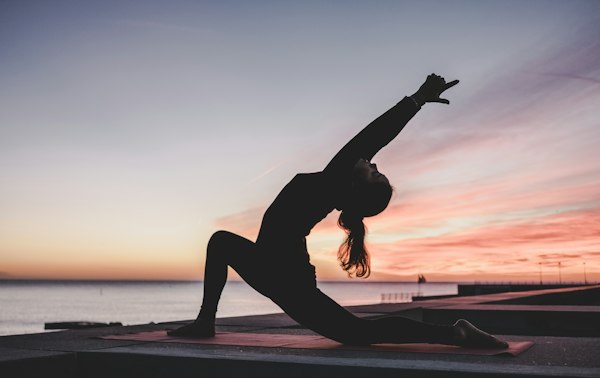
- Evening yoga (15-20 min) — gentle yoga for anxiety, focusing on hip openers and forward folds
- Bedtime yoga nidra (20 min) — to prevent the nocturnal panic that affects many sufferers
This routine takes about 50 minutes total but can be scaled down. Even just the morning meditation and midday breathing (13 minutes) produces meaningful results.
Best Apps for Panic Attacks
| App | Panic Feature | Price | |
|---|---|---|---|
| Headspace | SOS sessions (3 min immediate relief) | $69.99/yr | Try Free → |
| Calm | Anxiety toolkit + breathing exercises | $69.99/yr | Try Free → |
| Insight Timer | Free panic-specific guided meditations | Free | Try Free → |
When to Get Professional Help
Meditation is a powerful tool, but panic disorder often benefits from professional treatment. Consider therapy if:
- You experience panic attacks more than once a month
- You avoid places or situations due to fear of panic
- Panic is affecting your work, relationships, or daily life
- You experience persistent worry about having another attack
Cognitive Behavioural Therapy (CBT) is the gold standard for panic disorder, with success rates above 80%. Online platforms like BetterHelp and Talkspace make it accessible from home.
Professional Support: BetterHelp
Match with a licensed therapist experienced in panic disorder. Most people are matched within 24 hours.
Get Started with BetterHelp →Affiliate link — we earn a commission at no extra cost to you
Take Our Free Anxiety & Wellness Self-Assessment
Check your stress levels and get matched to the right relaxation exercises for your mood.
Start Free Assessment →FAQs
Can meditation trigger panic attacks?
Rarely, but it can happen — especially with longer silent meditation sessions. If this occurs, switch to shorter guided sessions, eyes-open meditation, or movement-based practices like yoga. The key is to stay within your comfort zone and gradually expand it.
How long until meditation reduces panic attack frequency?
Most people report some improvement within 2-4 weeks of daily practice. Research shows significant reduction in panic frequency after 8 weeks. The breathing techniques provide immediate relief from day one.
Should I meditate during a panic attack?
During a full panic attack, focus only on the physiological sigh and grounding techniques. Formal meditation is better used as prevention (daily practice) and early intervention (when you first notice warning signs).
Related Articles

Sources & References
- [1] NHS — Cognitive Behavioural Therapy (CBT) Treatment Guidelines
- [2] Springer / PubMed — Remission in CBT for Adult Anxiety Disorders: Systematic Meta-Analysis
- [3] NIMH (National Institute of Mental Health) — Anxiety & Psychotherapy Clinical Overview
For general information only, not a substitute for professional medical care. In a crisis or severe symptom onset, consult a qualified healthcare provider immediately.