Anapanasati Meditation Guide: 16-Stage Mindfulness of Breathing
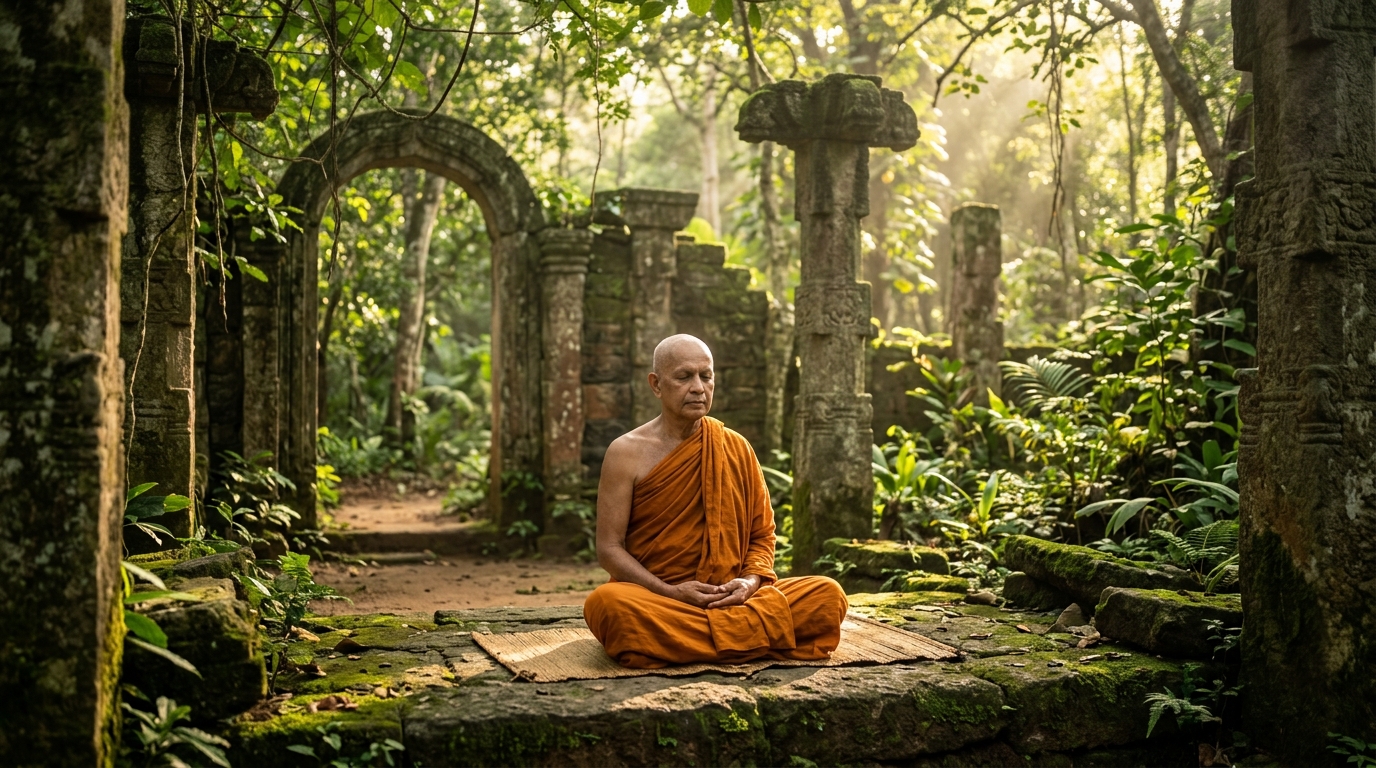
Ānāpānasati (Pali for "Mindfulness of In-and-Out Breathing") is widely considered the ultimate meditation method taught by the Buddha. Found in Discourse 118 of the Majjhima Nikāya and elaborated in the classic manual by Venerable Buddhadāsa Bhikkhu, it provides a complete 16-step path that fulfills all Four Foundations of Mindfulness (*Satipaṭṭhāna*).
This master guide combines ancient Theravada wisdom with Sri Lankan forest monastery practice traditions, real-world analogies, video module blueprints, and interactive web tools at every stage.
Take The Ultimate Meditation Quiz
Discover your current mind state and match your practice goals to targeted interactive tools.
Start Free Meditation Quiz →1. Introduction to Buddhist Meditation & Core Styles
In classical Buddhist practice, mental culture (*Bhavana*) is divided into two mutually supportive pillars:
- Samatha Meditation (Tranquillity & Calm): Training one-pointed concentration (*Ekaggatā*) to quiet mental chatter, clear hindrances, and enter states of absorption (*Jhāna*).
- Vidharshana / Vipassana Meditation (Insight): Directly penetrating the nature of reality — observing that all physical and mental phenomena are impermanent (*Anicca*), unsatisfactory (*Dukkha*), and non-self (*Anattā*).
In addition to Anapanasati, practitioners often integrate Metta Bhavana (Loving-Kindness) for emotional softening and Kasina practice (color/element visualization) for concentration building.
2. Sri Lankan Theravada Heritage & Forest Monastery Traditions

Sri Lanka holds an unbroken 2,300-year history of preserving Theravada Buddhist scriptures and meditation practice traditions (*Aranya Senasana*). Monastic centers like Suan Mokkh and Sri Lankan forest hermitages emphasize a pure, practical, non-commercial approach to Dhamma: no dogmatic rituals, no artificial shortcuts — just diligent, systematic observation of the breath.
3. About the Author & Practice Philosophy
Our practice guidelines follow a simple principle: Meditation is for the everyday person in the working world. You do not need to memorize complex scholastic lists before starting. All you need is patience, honest self-observation, and consistent daily practice.
4. The Complete 15-Video Module Curriculum
Module A: Foundations & Touchpoint Preparation (Videos 1–4)
Introduction to Buddhist Meditation (Samatha, Vipassana, Metta & Kasina)
Authentic introduction to Buddhist Theravada meditation. Explains the two main pillars — Samatha (Calming Concentration) and Vidharshana/Vipassana (Insight into *Anicca, Dukkha, Anattā*) — alongside Anapanasati, Metta Bhavana, and Kasina practice.
Why Practice Breath Meditation?
Why the breath is the safest, most effective anchor for your mind, connecting your body and feelings.
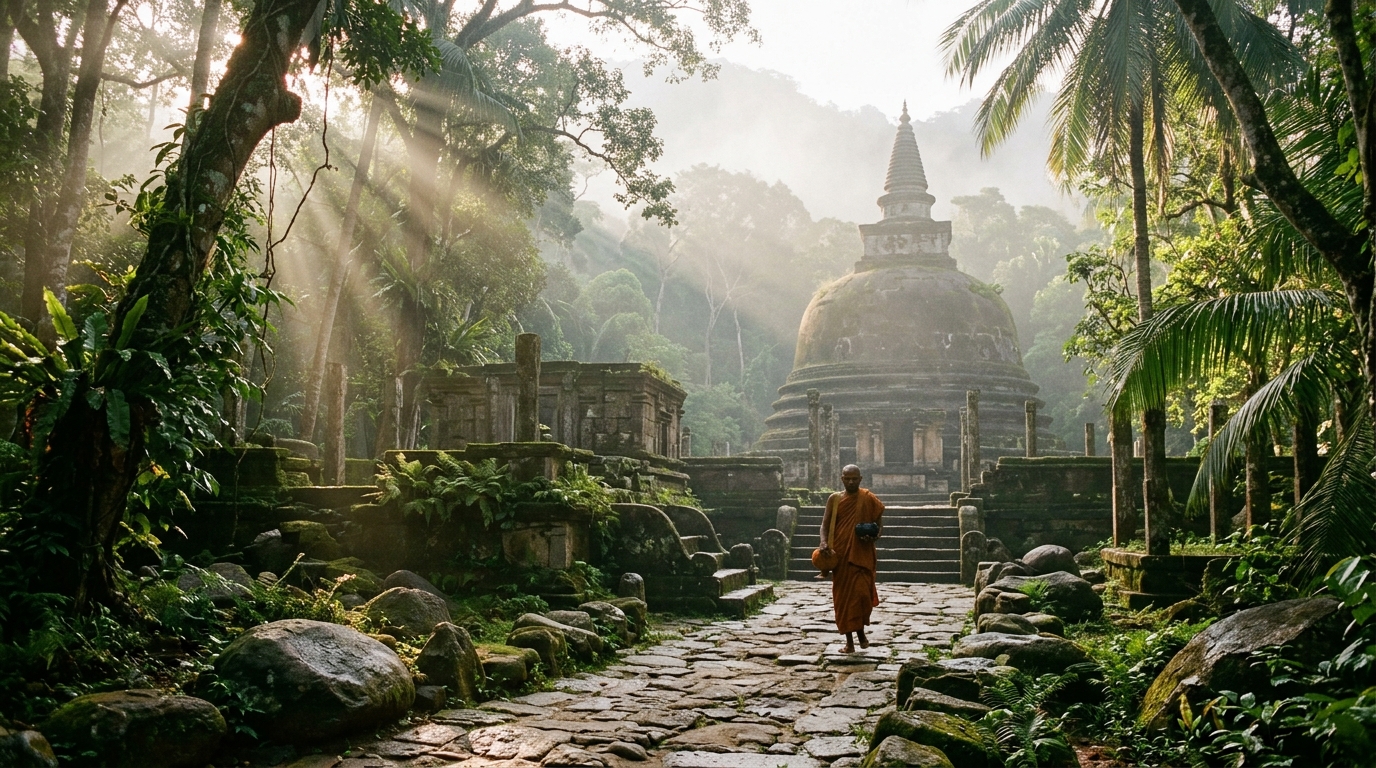
Preparation for Meditation: Posture, Environment & Clearing Impediments
Correct posture (spine erect like an iron rod, Half-Lotus / Full-Lotus / Chair), environment setup, and resolving outer distractions (*Palibodha*).
Understanding the Breath & Identifying the Touchpoint (*Phusanā*)
Locating the exact spot where air strikes skin — either the tip of the nose or upper lip (*Phusanā*). Features the traditional **City Gatekeeper** and **Carpenter's Saw** analogies.
Module B: First Tetrad – Respiration & Body (Videos 5–7)
Simple Observation of In-Breath & Out-Breath (Step 1)
Observe breath at the touchpoint without controlling rhythm. Features the **City Gatekeeper** (monitoring without following people) and **Sports Match Spectator** analogies.
Recognizing Short vs. Long Breathing (Step 2)
Noticing natural length variations (*Dīghaṁ vā / Hassaṁ vā*). Short breath indicates excitement/fatigue; long breath reflects a calm mind. If undecided, simply ignore length and stay at the gate.
Physical Relaxation & Handling Waves of Pleasure (*Pīti / Sukha*)
Body feels weightless and bright. Sensations of pleasure run in electrical waves from toes to head (*Pīti / Sukha*). Warning: Maintain equanimity — do not get over-excited or attached to sensations (*Anicca*).
Module C: Access Concentration & Mental Signs (Videos 8–12)
Upacara Samadhi (Neighbourhood Concentration) & The 5 Jhana Factors
Understanding pre-Jhana access concentration and the 5 Jhana factors (*Vitakka, Vicāra, Pīti, Sukha, Ekaggatā*). Features the **Flower Bud** 🌸 and **Car Driver** 🚗 analogies.
🚗 The Car Driver Analogy: "When driving a car, you know how many passengers are inside and vehicles passing, but your focus stays on the road."
Breathing In & Out with Joy & Pleasure (*Pīti / Sukha*)
Second Tetrad (Mindfulness of Feelings / *Vedanānupassanā*). Experiencing subtle joy (*Pīti*) and deep contentment (*Sukha*) with each breath without attachment.
Observing Start, Middle, and End of Breath (Step 3)
Tracking the complete breath cycle (*Sabbakāyapaṭisaṁvedī*) from origin at nostrils through chest to navel without gaps.
Handling Setbacks, Off-Days & Frustration
What to do when you lose focus, feel sleepy, or experience mental restlessness (*Thīna-middha / Uddhacca*). 4 practical steps to regain calm without self-judgment.
Handling Breath Disappearance & Subtlety (Step 4)
When breath becomes so fine it seems to disappear (*Kāyasaṅkhāra* calming). Features **The Farmer & Lost Cows** 🐄 analogy (waiting at the lake touchpoint).
Module D: Nimitta Signs & 1st Jhana Absorption (Videos 13–15)
Pirikamma Nimitta (Preparatory Mental Signs)
Flickering mental lights coming and going (*Pirikamma Nimitta*). Features **The Driving Past Neighborhood Signs** 🚦 analogy (don't stop to stare at signs, keep driving toward destination).
Udgaha Nimitta (Acquired Image) & Sign Control
Steady mental object appearing (*Udgaha Nimitta*). Learning to expand or shrink the Nimitta at will. Features **Driving with Background Music** 📻 analogy.
Paṭibhāga Nimitta (Counterpart Sign) & 1st Jhana Absorption
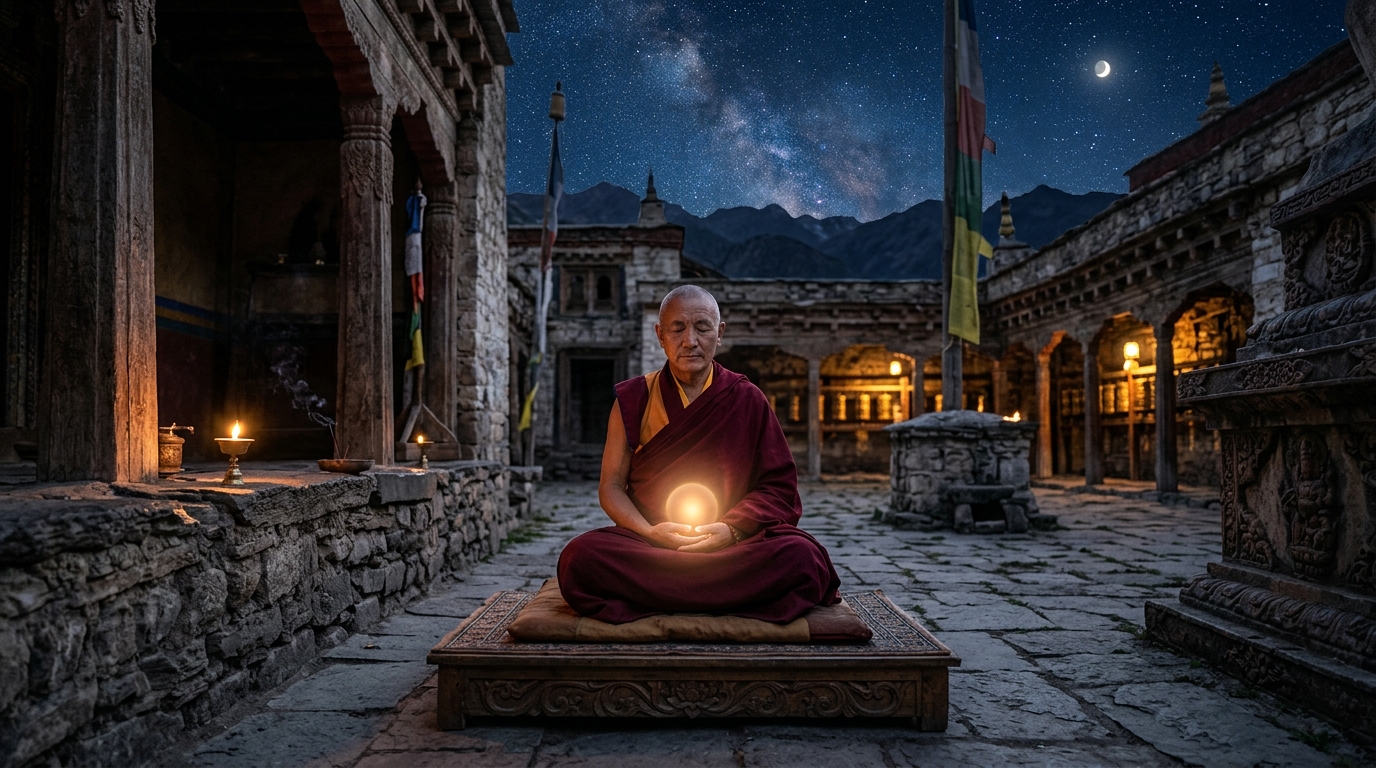
The Nimitta turns into a brilliant Counterpart Sign (*Paṭibhāga Nimitta*) like a bright full moon or glowing diamond. Mind, factors, breath, and sign merge into 1st Jhana (*Absorption*).
Featured Mindful.org Official Online Courses & Training
Deepen your daily mindfulness and meditation practice with certified online courses led by world-renowned teachers at Mindful.org:


Official Mindful.org Partner · Self-Paced Online Training