Quick Answer:
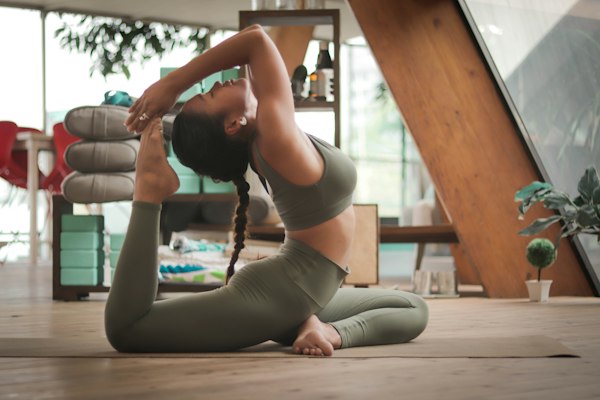
Both are effective for anxiety.[1] Meditation is better for calming racing thoughts and building mental awareness. Yoga is better for releasing physical tension (tight shoulders, clenched jaw, restless body). Combining both produces the best results — which is why many programmes include both.
Comparison
| Factor | Meditation | Yoga |
|---|---|---|
| Mental anxiety | 🏆 Best for racing thoughts | Good |
| Physical tension | Body scan helps | 🏆 Directly releases tension |
| Minimum time | 🏆 5 minutes effective | 15-20 minutes for benefit |
| Equipment | 🏆 Nothing needed | Mat helpful (not required) |
| Panic attacks | 🏆 Breathing techniques | Less suitable during panic |
| Energy levels | Works when exhausted | 🏆 Energising + calming |
Best For Your Type of Anxiety
Racing thoughts, worry, overthinking → Start with meditation. See meditation for anxiety.
Physical tension, restlessness, can't sit still → Start with yoga. See yoga for anxiety.
Both mental and physical → Combine. Many yoga classes include meditation at the end.
See our full yoga vs meditation comparison.
Best Apps for Both
Down Dog ($39.99/yr) includes yoga + meditation. Insight Timer (free) has both. Online-Therapy.com includes yoga videos alongside CBT therapy if you need professional support.
Try Online-Therapy.com — 20% Off →Sources & References
- [1] NCCIH (US National Institutes of Health) — Meditation and Mindfulness: Effectiveness and Safety
- [2] JAMA Psychiatry / PubMed — Mindfulness-Based Stress Reduction vs Escitalopram for Anxiety (Georgetown Study)
- [3] JAMA Internal Medicine — Meditation Programs for Psychological Stress & Well-Being
- [4] Psychiatry Research: Neuroimaging / PubMed — Mindfulness practice leads to increases in regional brain gray matter density (Harvard MRI Study)
For general information only, not a substitute for professional care. In a crisis, contact a professional or a crisis line (988 US, Samaritans 116 123 UK & ROI).