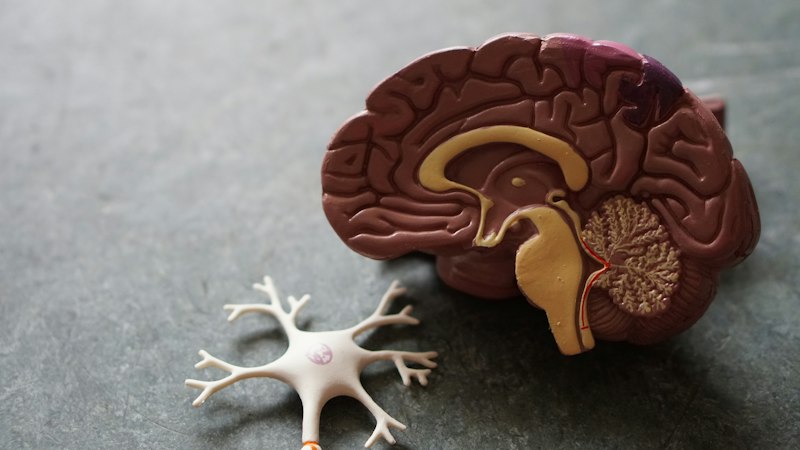
Pain isn't what you think it is. It's not a signal travelling from your injury to your brain like a message through a wire. It's a construction — your brain's interpretation of sensory data, shaped by attention, emotion, expectation, and past experience.
This is why meditation changes pain. Not by blocking the signal, but by changing the interpretation.
What Brain Scans Show
In a widely cited study, researchers applied the same painful heat stimulus to meditators and non-meditators while scanning their brains with fMRI.[1] Both groups showed identical activation in the somatosensory cortex (the brain area that registers pain intensity). But meditators showed dramatically less activation in the anterior cingulate cortex and prefrontal cortex — areas associated with the emotional evaluation of pain.
The result: meditators rated pain intensity the same as non-meditators, but pain unpleasantness was 57% lower. Same sensation, radically different experience.
The Two Arrows
Buddhist psychology describes this with the metaphor of two arrows. The first arrow is the physical sensation — unavoidable. The second arrow is your reaction to it — the suffering, the fear, the 'this shouldn't be happening.' Meditation doesn't remove the first arrow. It teaches you not to shoot the second one.
Neuroscience has now confirmed this 2,500-year-old insight. The brain has separate circuits for pain sensation and pain suffering. Meditation selectively quiets the suffering circuit.
How Long Does It Take?
The good news: you don't need decades of practice. A 2011 study found that just four 20-minute meditation sessions reduced pain unpleasantness by 57% and pain intensity by 40%. An 8-week MBSR programme produces more durable changes in pain processing.
Long-term meditators show actual structural changes — thicker cortical regions associated with pain regulation, and altered connectivity between sensory and emotional brain networks. But meaningful benefits begin within days to weeks.
Practical Application
For chronic pain patients, this research translates directly into practice.[1] When pain arises, observe it with curiosity rather than resistance. Notice its qualities — sharp, dull, pulsing, burning — without adding the narrative of suffering. This isn't suppressing your feelings. It's redirecting your brain's processing from the emotional circuit to the observational one.
Start with pain-free meditation sessions to build the skill. Then gradually apply it during mild discomfort. Over time, the observational stance becomes more natural, even during significant pain.
For general information only, not a substitute for professional medical care. In a crisis or severe symptom onset, consult a qualified healthcare provider immediately.