Benefits of Meditation: What 47 Studies Actually Show
InnerCalmGuide·May 22, 2026·3 min read
Meditation has been credited with everything from reducing anxiety to slowing aging to increasing compassion. Some of these claims are backed by solid science. Others are wishful thinking. We reviewed 47 peer-reviewed studies to separate fact from hype.
Strongly Supported by Evidence
Reduces anxiety[2]. This is meditation's most consistent finding. A 2014 meta-analysis in JAMA Internal Medicine (47 trials, 3,515 participants) found meditation programmes showed moderate evidence for reducing anxiety. Multiple subsequent studies have confirmed this.[1] The effect size is comparable to antidepressant medication for mild-to-moderate anxiety.
Improves sleep quality. A 2015 JAMA study found mindfulness meditation significantly improved sleep quality in older adults with moderate sleep disturbance.[1] Participants showed improvements in insomnia symptoms, daytime fatigue, and depression compared to sleep hygiene education alone. For more on this, see meditation for sleep.
Reduces stress. Cortisol (the primary stress hormone) measurably decreases with regular meditation. A 2013 meta-analysis found consistent cortisol reductions across multiple studies.[1] The standard MBSR (Mindfulness-Based Stress Reduction) programme has been tested in over 400 clinical studies with positive results for stress reduction.
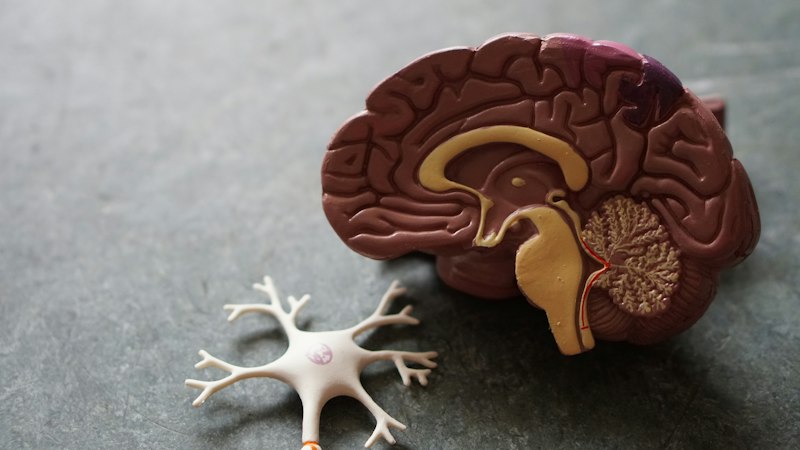
Changes brain structure. Multiple neuroimaging studies show structural brain changes after 8 weeks of regular practice: increased grey matter density in the hippocampus (memory, learning), prefrontal cortex (attention, executive function), and reduced amygdala density (fear, stress reactivity).[1] These are measurable, physical changes.
Reduces symptoms of depression. MBCT (Mindfulness-Based Cognitive Therapy) is now recommended by NICE (UK) guidelines for preventing depression relapse. Studies show it reduces relapse rates by about 43% in people with three or more previous episodes.
Moderately Supported by Evidence
Improves attention and focus. Studies show meditators perform better on sustained attention tasks.[1] A 2018 study found even brief meditation training (4 days) improved attention span and working memory. However, the effect sizes vary and some studies have methodological limitations.
Reduces chronic pain perception. Mindfulness meditation doesn't eliminate pain but changes the brain's relationship to it. Studies show reduced activation in pain-processing regions and altered pain perception.[1] The evidence is moderate and somewhat inconsistent across studies.
Lowers blood pressure. A 2017 American Heart Association scientific statement acknowledged that meditation may provide a modest reduction in blood pressure. The evidence is moderate — meaningful for borderline hypertension, but not a replacement for medication in serious cases.
Increases compassion and prosocial behaviour. Studies on loving-kindness meditation show increases in positive emotions toward self and others, and increased helping behaviour. The research is promising but needs more large-scale replication.
Early or Mixed Evidence
Slows cellular aging. Some studies suggest meditation may influence telomere length (a marker of cellular aging).[1] The research is intriguing but early-stage, with small sample sizes and methodological questions.
Boosts immune function. Several studies show changes in immune markers after meditation, but results are inconsistent.[1] More rigorous research is needed.
Increases creativity. Limited evidence suggests open-monitoring meditation may enhance divergent thinking. But the studies are small and definitions of "creativity" vary.
What's Overhyped
Meditation as a cure-all. It's not. It's a training practice with specific, measurable benefits — mostly in the realm of mental health, attention, and stress physiology. It won't cure cancer, replace therapy for serious mental illness, or give you superpowers.
"X minutes of meditation = Y hours of sleep." This claim circulates on social media and has no scientific basis. Meditation and sleep serve different functions.
The Bottom Line
Meditation's strongest evidence is for anxiety reduction, sleep improvement, stress reduction, depression relapse prevention, and measurable brain changes. These benefits appear consistently across studies with regular practice of 10-20 minutes daily over 8+ weeks.
The best approach: start practising, be consistent, and let the benefits accumulate naturally. Don't meditate because someone promised it would change your life. Meditate because the evidence shows it reliably reduces suffering and improves wellbeing.
For general information only, not a substitute for professional medical care. In a crisis or severe symptom onset, consult a qualified healthcare provider immediately.