How to Start Yoga at Home: The Complete No-Gym Guide
InnerCalmGuide·May 26, 2026·4 min read
A studio membership costs $100-200/month. A yoga mat costs $20. And your living room floor is free. Home yoga has exploded in popularity for good reason — it's accessible, affordable, and for many people, more sustainable than studio classes.
Here's how to start from zero.
What You Actually Need
A yoga mat. Any mat will do to start. A $20 mat from Amazon is perfectly fine for your first 6 months. When you're committed, upgrade to a $60-80 mat with better grip and cushioning.
Comfortable clothing. Anything you can stretch in. Yoga-specific clothing is optional. Avoid very loose tops (they fall over your head in inversions) and very slippery fabrics.
A clear floor space. You need roughly the size of your mat plus arm's length on each side. That's it. Move the coffee table, roll out your mat, and you have a yoga studio.
Optional but helpful: two yoga blocks ($10-15 for a pair — these make a huge difference for beginners), a strap or towel, and a blanket for restorative poses.
Choose Your Style
Not all yoga is the same. Here's a quick guide to find your fit:
Hatha: Slow-paced, hold-each-pose style. Best for absolute beginners. The foundation of most other styles.
Vinyasa: Flowing, breath-linked movement. Moderate pace, some cardio. Good for people who get bored easily. Our morning yoga routine is a gentle vinyasa flow.
Yin: Passive stretching, poses held 3-5 minutes. Best for flexibility and stress relief. Very beginner-friendly despite long holds.
Restorative: Fully supported poses with props. Zero effort required. Best for recovery, stress, and anyone who needs gentle practice.
If you can't decide: Start with Hatha or gentle Vinyasa. You can always explore other styles once you're comfortable with the basics.
Your First Week
Day 1-2: Follow a 15-20 minute "complete beginner" video on YouTube (Yoga With Adriene's "Yoga for Complete Beginners" is excellent). Don't worry about doing poses perfectly. Just get familiar with the basic shapes.
Day 3-4: Repeat the same video. You'll notice things you missed the first time. Poses will feel slightly less awkward. This repetition is valuable.
Day 5-7: Try a slightly different beginner video or use the Down Dog app set to beginner difficulty. Start noticing which poses feel good and which feel challenging. Both are useful information.
The 5 Poses Every Beginner Should Know
Mountain Pose (Tadasana): Standing tall with feet together, arms by your sides. Sounds simple — but it teaches you awareness of posture, weight distribution, and grounding. It's the starting position for almost everything.
Downward Dog (Adho Mukha Svanasana): The most iconic yoga pose. Hands and feet on the floor, hips high, forming an inverted V. It's hard at first — your hamstrings will scream. Bend your knees as much as needed. It gets easier within weeks.
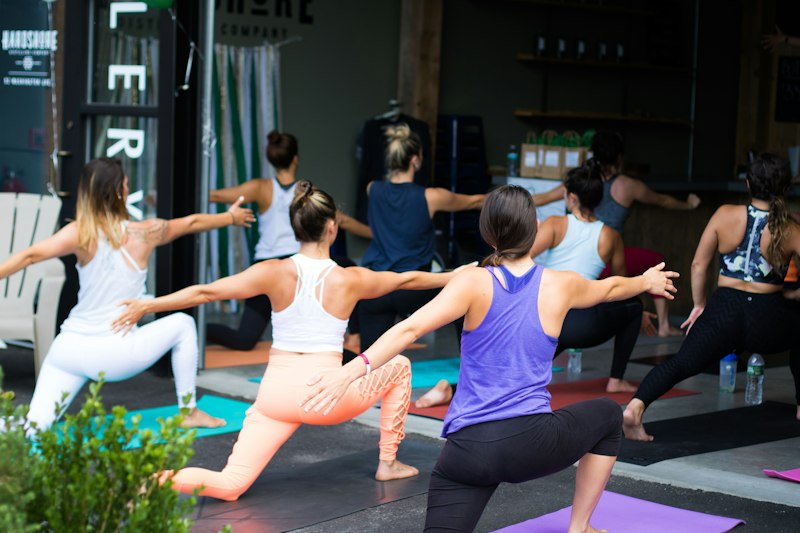
Warrior II (Virabhadrasana II): A wide-legged stance with arms extended. Builds leg strength, opens hips, and teaches stability. You'll feel this in your thighs immediately.
Child's Pose (Balasana): Knees wide, sit back on your heels, reach arms forward. Your rest position. Come here any time you need a break during practice. There's zero shame in Child's Pose — experienced yogis use it too.
Corpse Pose (Savasana): Lying flat on your back, eyes closed, completely relaxed. Always the final pose. Don't skip it — this is where your nervous system integrates the practice. 5 minutes minimum.
Common Mistakes to Avoid
Starting too advanced. That "30-Day Yoga Challenge" video with arm balances and deep backbends? Not for month one. Start simple. Build gradually. Injury from pushing too hard is the fastest way to quit.
Comparing yourself to the instructor. Their body has been doing this for years or decades. Your body is learning. Use modifications (bent knees, blocks, shorter holds) without guilt.
Skipping warm-up and cool-down. Don't jump into deep stretches cold. A proper class includes gentle movement first and a cool-down at the end.
Holding your breath. Breathing is the single most important element of yoga. If you're holding your breath in a pose, you're working too hard. Ease back until you can breathe smoothly.
Free Resources to Get Started
YouTube channels like Yoga With Adriene (beginner-friendly, warm teaching), Fightmaster Yoga (solid flows), and Sarah Beth Yoga (clear cueing) offer hundreds of free classes. Apps like Insight Timer have free yoga content. For a comprehensive overview, see our best yoga apps guide.
For general information only, not a substitute for professional medical care. In a crisis or severe symptom onset, consult a qualified healthcare provider immediately.