The Five Precepts: Sri Lanka's Ethical Foundation for Meditation
InnerCalmGuide·Feb 24, 2026·3 min read
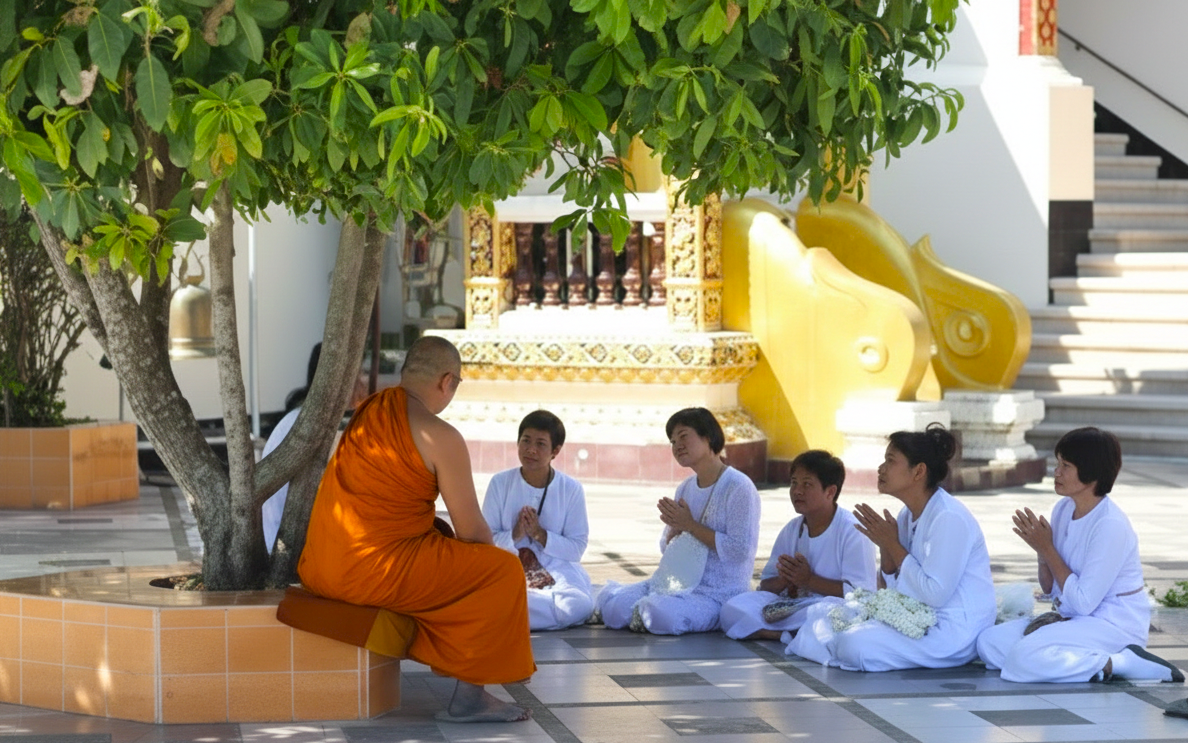
Every meditation session in Sri Lanka — whether at a temple, retreat centre, or home — begins with taking the five precepts (panca sila). Before a single breath is observed, meditators chant: 'Panatipata veramani sikkhapadam samadiyami...' — I undertake the training rule to abstain from taking life. This isn't ritual formality. It's the recognition that meditation without ethical conduct is like building on sand.
The Five Precepts
1. Panatipata veramani: I undertake to abstain from taking life. Not just human life — all life. Sri Lankan Buddhists extend this to insects, animals, and all living beings. This precept cultivates compassion and reduces the guilt and remorse that agitate the mind during meditation.
2. Adinnadana veramani: I undertake to abstain from taking what is not given. Beyond stealing — this includes deception, exploitation, and taking advantage of others' trust. This precept creates a clear conscience.
3. Kamesu micchacara veramani: I undertake to abstain from sexual misconduct. In lay practice, this means faithful, non-harmful sexual conduct. During retreat periods, celibacy is observed. This precept conserves energy and reduces the desire-based agitation that disrupts concentration.
4. Musavada veramani: I undertake to abstain from false speech. Including lies, gossip, harsh words, and idle chatter. This precept is particularly valued in Sri Lankan meditation culture — speech is considered one of the most powerful generators of karma. Retreat centres observe noble silence partly for this reason.
5. Suramerayamajja pamadatthana veramani: I undertake to abstain from intoxicants that cloud the mind. Alcohol, recreational drugs, and anything that impairs mindfulness. This precept preserves the clarity that meditation develops.
Why Sila Matters for Meditation
Sri Lankan meditation teachers are emphatic: without sila, meditation produces limited results. The connection is both psychological and practical.
Psychological: A mind burdened by guilt, remorse, and the memory of harmful actions cannot settle into deep concentration. When you sit to meditate, your past actions arise as mental content. If those actions are ethical, the memories are neutral or pleasant. If they're harmful, they create restlessness, anxiety, and self-judgment that block concentration.
Practical: The five precepts reduce the sources of conflict, drama, and complication in daily life. A person who doesn't lie, steal, harm, or intoxicate themselves has fewer problems to worry about — and fewer worries means a quieter mind during meditation.
The traditional teaching framework is: sila (ethics) → samadhi (concentration) → panna (wisdom). Each stage depends on the previous. Trying to develop concentration without ethics is like trying to build a second floor without a first floor.
Practising the Precepts
In Sri Lankan culture, the precepts aren't commandments imposed by authority. They're training rules voluntarily undertaken because they produce a happier, calmer life. You don't follow them to avoid punishment — you follow them because the mind that keeps the precepts is naturally calmer than the mind that breaks them.
Start by observing them for one day — the next Poya Day (full moon). Notice the quality of your mind on a day when you've consciously avoided all harmful actions. Then gradually extend: one week, one month. The effects on meditation are measurable and often dramatic.
For general information only, not a substitute for professional medical care. In a crisis or severe symptom onset, consult a qualified healthcare provider immediately.