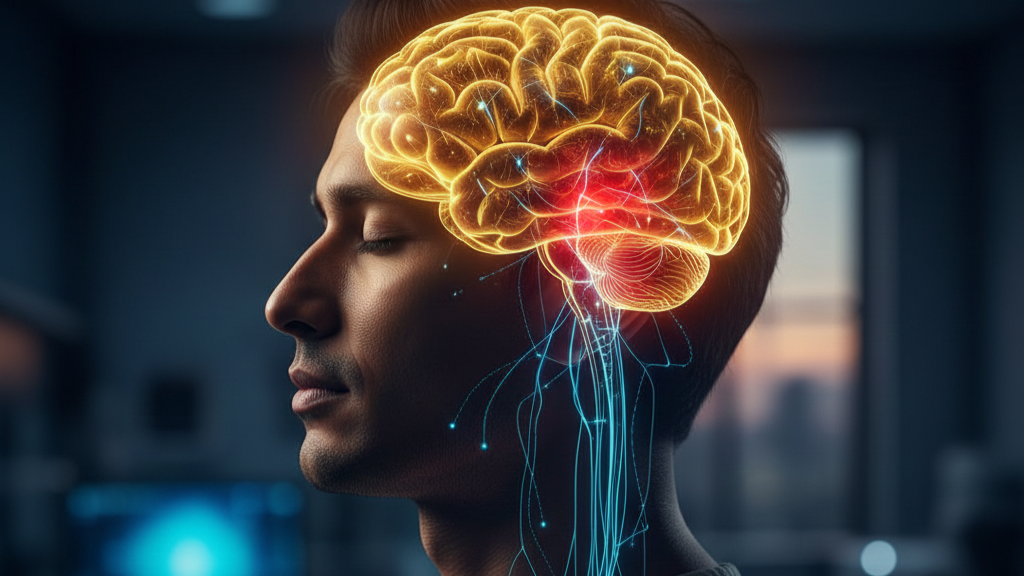
The Science Behind Meditation: What Actually Happens to Your Brain
InnerCalmGuide·Feb 20, 2026·2 min read
Meditation's reputation has shifted from "hippie stuff" to "evidence-based intervention" in the last two decades — and brain imaging technology is the reason. When you put meditators in an MRI machine, you can literally see the structural changes. Here's what the research shows.
Your Brain on Meditation
1. The Amygdala Shrinks
The amygdala is your brain's alarm system — it triggers the fight-or-flight response. In people with anxiety and chronic stress, the amygdala is overactive and physically enlarged. Research from Harvard showed that after 8 weeks of mindfulness practice, the amygdala's grey matter density decreased.[1] Less amygdala = less reactivity to stress. Your alarm system recalibrates to stop firing at everything.
2. The Prefrontal Cortex Thickens
The prefrontal cortex handles decision-making, focus, and emotional regulation — everything the amygdala undermines. Sara Lazar's Harvard study found that meditators had thicker prefrontal cortex tissue than non-meditators, even accounting for age.[1] Meditation literally builds the brain region responsible for wise decisions.
3. The Default Mode Network Quiets Down
The DMN is the brain network active when you're mind-wandering — replaying the past, worrying about the future, constructing narratives about yourself. An overactive DMN is linked to depression, anxiety, and unhappiness. Research from Yale found that meditation reduces DMN activity and creates new neural connections that pull the brain out of autopilot rumination.
4. Cortisol Drops
Cortisol is the primary stress hormone. Chronically elevated cortisol damages memory, weakens immunity, and contributes to weight gain. Multiple studies show meditation reduces cortisol by 15-25%.[1] A Shamatha Project study found cortisol reductions were still measurable 5 months after an intensive retreat.
5. Telomeres Lengthen
Telomeres are the protective caps on your chromosomes — they shorten with age and stress. Nobel laureate Elizabeth Blackburn found that meditation practitioners had longer telomeres than non-meditators, suggesting meditation may literally slow cellular aging.
1+ years: Long-term practitioners show structural differences visible on MRI
The Minimum Effective Dose
You don't need to meditate for hours.[1] Research shows benefits from as little as 10-15 minutes daily.[1] A Carnegie Mellon study found that just 25 minutes of mindfulness meditation for 3 consecutive days reduced stress reactivity. Consistency matters more than duration.
For general information only, not a substitute for professional medical care. In a crisis or severe symptom onset, consult a qualified healthcare provider immediately.